



MultiPro™ Tailgate Work Smarts for Walla Walla, WA Weekend Projects — 2026 GMC Sierra 3500 HD Tips

Lewiston GMC – MultiPro™ Tailgate Work Smarts for Walla Walla, WA Weekend Projects — 2026 GMC Sierra 3500 HD Tips
The right tailgate design turns a powerful heavy-duty truck into a practical everyday partner, and that is exactly why the 2026 GMC Sierra 3500 HD’s MultiPro™ Tailgate stands out for weekend projects around Walla Walla, WA. You get six integrated functions designed to make loading, unloading, cutting, sorting, and staging easier—without juggling extra sawhorses or risking a wobbly improvised bench. Thoughtful touches like configurable load stops, an inner gate that becomes a generous workspace, and an available Kicker® audio setup make your driveway build feel organized and efficient, whether you are framing garden beds, refreshing a fence line, or loading winery gear for an early morning drop-off.
Pair that Swiss Army knife flexibility with the Sierra HD’s best-in-class HD cargo bed volume, and you have a truck that doesn’t waste time. When your projects change every season—spring landscaping, summer deck repairs, fall cleanup—the MultiPro™ Tailgate adapts in seconds. It’s also friendly on your back. The full-width step and integrated handle offer solid footing, even with work gloves and boots, so you can step in and out of the bed with sturdy confidence. And when you are done staging lumber on the inner gate work surface, the main gate closes with the kind of precision that makes the Sierra HD feel like a trusted tool you’ll use for a decade.
- Primary gate: The conventional drop gate opens wide to load pallets, mulch, or bundled posts quickly.
- Inner gate: Fold down the inner panel for a raised second tier that helps manage long boards and boxes.
- Full-width step: Configure the inner gate to become a stable step for safer bed access.
- Load stop positions: Two adjustable stops help restrain ladders, piping, and lumber.
- Work surface: The inner panel transforms into a leveled bench for cutting, measuring, and laptop use.
- Audio-ready: An available Kicker® setup turns the tailgate into a weekend-ready entertainment hub.
For homeowners and pros, organization matters. The MultiPro™ Tailgate’s layered functions work best when paired with the right accessories. Consider bed lighting for early starts and late finishes, cargo tie-down kits to lock in equipment, and a bed mat to stabilize toolboxes and prevent sliding. If you’re hauling extra-long materials, the tailgate’s load stops, combined with bed-rail tie-downs and a proper red flag, help keep everything aligned and visible. And if you work on sloped driveways, the full-width step gives you balanced footing when your weight shifts, carrying heavy totes.
One more advantage: the MultiPro™ Tailgate integrates naturally with the Sierra HD’s broader toolset. Up to 14 available camera views—Transparent Trailer View, hitch guidance, bed view—help you back up precisely to materials or trailers, while the ProGrade® Trailering System’s In-Vehicle Trailering App manages checklists, light tests, and maintenance logs. For weekenders hitting farm stands or DIY supply runs, this connected ecosystem keeps you organized from driveway to job site and back again. And because you can pair the 13.4-inch infotainment center with wireless Apple CarPlay® or Android Auto™, your build plans, photos, and shopping lists are always a tap away.
When you’re ready to turn this smart tailgate into your everyday advantage, our team at Lewiston Chevrolet GMC can help you select the right trim, bed length, and accessories so the MultiPro™ Tailgate works as hard as you do—week after week and season after season. We are proudly serving Moscow, ID, Pullman, WA, and Walla Walla, WA, with straightforward guidance and real-world setup tips that prioritize safety, utility, and long-term durability. With the 2026 Sierra 3500 HD’s power and the MultiPro™ Tailgate’s versatility, your weekend projects just got a professional-grade partner.
Frequently Asked Questions:
Does the MultiPro™ Tailgate reduce bed strength?
No—the tailgate is engineered to complement the bed’s structure while adding load management, step access, and a work surface for common tasks.
Can I close the tailgate with the inner gate deployed?
Follow the on-screen prompts and labels—configurations are designed to fold in sequence so the main gate and inner gate close safely and properly.
Is the Kicker® audio system weather friendly?
It’s designed for outdoor use at the tailgate. As always, follow care guidelines for best long-term performance.
Will bed caps or tonneau covers interfere with the tailgate?
Many accessories are compatible, but fitment varies by brand and style. We’ll help you choose options designed to work seamlessly with MultiPro™ functions.
Request more 2026 GMC Sierra 3500 HD information
Why High Definition Surround Vision on the 2026 GMC Terrain Builds Everyday Confidence around Pullman, WA

Lewiston GMC – Why High Definition Surround Vision on the 2026 GMC Terrain Builds Everyday Confidence around Pullman, WA
Parking on a busy college-town street or weaving through a tight lot on a game day can be stressful, but the 2026 GMC Terrain turns those moments into simple, confident maneuvers. The available High Definition Surround Vision uses camera views to create a digital overhead look at the area around your SUV, helping you spot curbs, posts, and carts before they become dents. Pair it with the available Rear Camera Mirror, and you’ll expand your rearward view beyond what a traditional mirror can provide, which is especially handy when passengers or cargo block sightlines. It’s intuitive tech that feels natural from the first drive—and it’s one of the Terrain’s most compelling everyday advantages for Pullman, WA drivers.
Inside, the Terrain’s 15-inch diagonal Premium GMC Infotainment System and 11-inch diagonal Driver Information Center make sure the pixel-rich camera views and alerts are crisp and easy to interpret. The added clarity matters in close quarters, low-light conditions, or snow-dusted mornings when you want visual confirmation before backing out. On select trims, these systems are integrated alongside more than 16 standard safety and driver assistance technologies that support you on US-195 and around campus, so you’re covered from driveway to highway. It’s a thoughtful blend of visibility and intelligence that serves your routine as much as your weekend plans.
Drivers who frequently navigate tight parking may find these features especially valuable on the Terrain Denali, where High Definition Surround Vision and Rear Camera Mirror are available to enhance luxury with assurance. If your routine includes winter trips to the mountains or frequent parallel parking along busy streets, extra camera coverage reduces guesswork that can lead to small but frustrating mistakes. This attention to visibility complements the Terrain’s smart packaging—the SUV’s stance and glass area already offer a strong natural sightline, and the technology layers useful angles on top of that foundation.
For those eyeing dirt pull-outs or trailhead parking, the Terrain AT4 brings a different but related kind of confidence. Its off-road-tuned suspension, front skid plate with steel underbody shield, and exclusive Terrain drive mode prepare you for uneven surfaces, while the camera tech helps with precise placement when space is limited. Taken together, the Terrain’s visibility tools are not just for crowded garages—they’re a day-to-day advantage across city streets, gravel roads, and tight, tree-lined parking areas.
Shopping for the right configuration is easy with a team that understands how and where you drive. Lewiston Chevrolet GMC offers a relaxed, transparent experience with product specialists who help you identify the trim and available features that matter most to you. Our location is convenient for drivers serving Moscow, ID, Pullman, WA, and Walla Walla, WA, and we can walk you through how each Terrain model aligns with your routine—whether that’s maximizing parking confidence or adding capability for weekend getaways. When you’re ready to compare options, we’ll help you see exactly how High Definition Surround Vision and Rear Camera Mirror can fit into your daily life.
Frequently Asked Questions:
Is High Definition Surround Vision standard on the 2026 GMC Terrain?
It’s available on select trims. Ask our team which configurations include the feature or how to add it when building your Terrain.
What’s the difference between Surround Vision and Rear Camera Mirror?
Surround Vision provides a composite overhead view for low-speed maneuvering, while Rear Camera Mirror replaces the traditional rear mirror view with a camera feed for wider rear visibility on the move.
Can I use these cameras in poor weather?
Yes, though image quality can vary with heavy rain, snow, or mud. Keeping the camera lenses clear optimizes performance.
Which trim is best if I want both features?
Denali is a great place to start for luxury and available camera tech, while AT4 suits drivers who also want added ground clearance and off-road readiness.
Request more 2026 GMC Terrain information
Chevy Safety Assist in Focus — How the 2026 Chevrolet Trax Adds Everyday Confidence around Pullman, WA
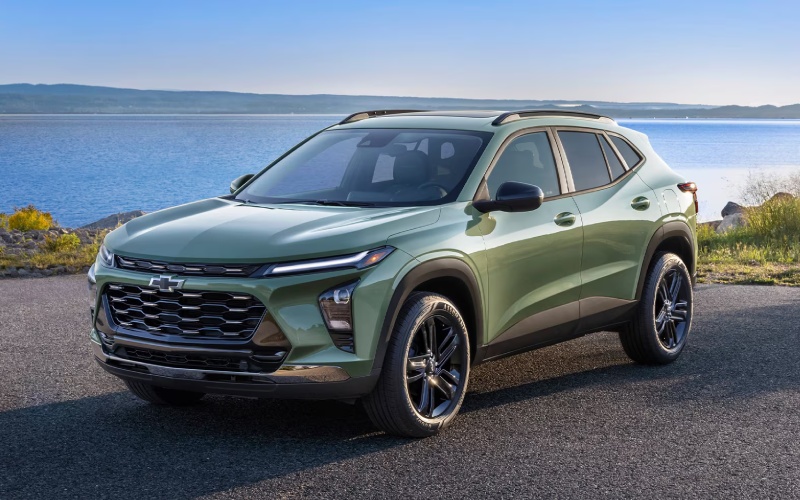
Lewiston Chevrolet – Chevy Safety Assist in Focus — How the 2026 Chevrolet Trax Adds Everyday Confidence around Pullman, WA
Chevy Safety Assist comes standard on the 2026 Chevrolet Trax, giving everyday drivers a confidence boost on busy routes, quiet side streets, and scenic two-lane highways. This suite brings six core features that work together to help alert, assist, and, when needed, automatically apply braking support to help you avoid or mitigate certain collisions. Paired with LED headlights and IntelliBeam® High Beam Assist, the Trax helps illuminate your drive and reduce the strain of nighttime travel. For many Pullman-area drivers, that means more relaxed commutes and a steadier sense of control when weather or traffic adds complexity.
Beneath the friendly footprint of this small SUV are thoughtful details that make the safety tech feel natural, not nagging. The instrument panel presents information clearly, while the available 11-inch center HD touch-screen keeps your media and maps in easy view. Standard wireless Apple CarPlay® and Android Auto™ reduce distractions by eliminating cords, and the calm cabin character is aided by features like Active Noise Cancellation. The result is a small SUV that feels composed and capable, even before you factor in optional upgrades like wireless charging or a built-in Wi-Fi® hotspot for passengers.
- Forward Collision Alert: Helps warn you when it detects a potential front-end collision with a vehicle you’re following so you can respond quickly.
- Automatic Emergency Braking: Can provide hard emergency braking or boost the driver’s braking to help reduce the severity of certain front-end collisions.
- Front Pedestrian Braking: Designed to detect pedestrians directly ahead and can provide automatic braking to help reduce or avoid collisions during the daytime.
- Lane Keep Assist with Lane Departure Warning: Can gently help you stay within your lane, and provides alerts if you unintentionally drift over lane markings.
- Following Distance Indicator: Displays your gap time to the vehicle ahead to help you maintain a safe spacing buffer.
- IntelliBeam® High Beam Assist: Can automatically turn high beams on and off based on surrounding traffic conditions to help improve visibility.
How does this play out around Pullman’s varied routes? On Grand Avenue or Bishop Boulevard, Forward Collision Alert and Automatic Emergency Braking provide valuable backup if traffic slows unexpectedly. When you’re navigating rural connectors or heading out toward the Palouse Scenic Byway, Lane Keep Assist with Lane Departure Warning can reduce drift on windy stretches, while IntelliBeam® helps manage changing light conditions without constant manual toggling.
Drivers also appreciate that the Trax’s supportive technology doesn’t overwhelm the rest of the experience. The available 11-inch diagonal display keeps directions crisp, while wireless smartphone mirroring makes it easy to manage calls and playlists. Add in a quiet, comfortable cabin and flexible cargo room for weekend gear, and the Trax becomes a practical, reassuring partner for students, professionals, and families alike.
Looking for guidance on which trim best fits your safety and tech preferences? Lewiston Chevrolet GMC offers friendly walk-throughs—whether you want the bold look of ACTIV with Titanium chrome accents and blackout wheels or the sporty feel of 2RS with a flat-bottom steering wheel and Red interior accents. Our team is committed to serving Moscow, ID, Pullman, WA, and Walla Walla, WA, with easy consultations, clear comparisons, and convenient online tools, so you can select a Trax that suits your routes and your routine.
Frequently Asked Questions:
Is Chevy Safety Assist standard on every 2026 Trax?
Yes. The Trax includes Chevy Safety Assist across the lineup, so you get the same core suite regardless of trim.
Will the alerts become distracting?
The systems are designed to assist without dominating your drive. You can adjust certain alert settings within the vehicle’s menus.
Do I still need to pay attention if the Trax can brake automatically?
Absolutely. Safety or driver assistance features do not replace your responsibility to operate the vehicle attentively and safely at all times.
Which trim is best for maximizing safety?
Because Chevy Safety Assist is standard, choose the trim that matches your style and comfort preferences. Many shoppers compare ACTIV and 2RS for their distinct looks and feel.
Request more 2026 Chevrolet Trax information
Chevy Safety Assist on the 2026 Chevrolet Equinox — Everyday Confidence for Moscow, ID, Roads

Lewiston Chevrolet – Chevy Safety Assist on the 2026 Chevrolet Equinox — Everyday Confidence for Moscow, ID, Roads
Chevy Safety Assist is standard on every 2026 Chevrolet Equinox, and that matters on neighborhood streets, highway stretches, and everything in between. This suite bundles six advanced features—Automatic Emergency Braking, Forward Collision Alert, Lane Keep Assist with Lane Departure Warning, Front Pedestrian Braking, Following Distance Indicator, and IntelliBeam®—to support your awareness while keeping the drive comfortable and composed. Each feature is designed to help you see more, react faster, and stay centered, while still leaving you in control. Combined with available enhancements such as HD Surround Vision, Rear Cross Traffic Braking, a Rear Camera Mirror, and Side Bicyclist Alert, the Equinox provides layered assistance you can feel the first time you buckle in.
Daily usability stands out. With the 11.3-inch diagonal infotainment touch-screen and Google built in, you can keep your eyes up and use voice to get directions or adjust settings while features like Following Distance Indicator and IntelliBeam® quietly lend support. If a pedestrian steps off a curb unexpectedly, Front Pedestrian Braking can help you slow or stop, day or night, under certain conditions. Lane Keep Assist with Lane Departure Warning subtly nudges you to stay in your lane, an asset on long I-90 drives or two-lane highways where fatigue sneaks in. It all works in the background so your ride stays calm and your passengers, including new teen drivers, benefit from consistent support.
- Automatic Emergency Braking: Helps reduce the severity of a front-end collision or avoid it at lower speeds by applying hard emergency braking if needed.
- Lane Keep Assist with Lane Departure Warning: Provides gentle steering support and alerts when you drift without signaling.
- Front Pedestrian Braking: Uses camera technology to provide alerts and can apply braking in certain daytime and low-visibility situations.
- Following Distance Indicator: Displays the gap time to the vehicle ahead to promote smoother, safer spacing.
- IntelliBeam®: Automatically toggles high beams on and off for better nighttime visibility.
Parents and caregivers will appreciate how these systems combine with teen-friendly tech and natural visibility enhanced by the Equinox’s commanding view. For those who carpool to practice or run errands on busy downtown grids, available HD Surround Vision stitches camera views together for a look around the vehicle that eases tight parking. And when your day goes from soccer gear to groceries, the available hands-free AutoSense Power Liftgate lets you load up without fumbling for keys.
Frequently Asked Questions:
Does Chevy Safety Assist replace my attention on the road?
No. These systems are assistance features. You should remain attentive and be prepared to take action at all times.
Is HD Surround Vision standard on the Equinox?
It is available on select configurations. We recommend exploring packages to see which camera views are included on your preferred trim.
Will Lane Keep Assist steer the vehicle for me?
Lane Keep Assist provides gentle steering support to help you stay centered, but you remain in control of steering at all times.
Can I use my phone’s apps safely while driving?
With Wireless Apple CarPlay® and Android Auto™, you can access compatible apps through the infotainment screen, and Google built-in supports voice commands for hands-on-the-wheel convenience.
Safety features are most effective when paired with sensible driving habits, and the 2026 Equinox makes that balance easy. The design promotes outward visibility, while OnStar® availability can add an extra layer of support when you need assistance. If you want a hands-on demo of Chevy Safety Assist and the available camera technologies, our team at Lewiston Chevrolet GMC is ready to personalize a test route and walk you through real-world scenarios. We are proudly serving Moscow, ID, Pullman, WA, and Walla Walla, WA, with practical guidance and straightforward information, so you can choose confidently and drive with everyday peace of mind.
Request more 2026 Chevrolet Equinox information

Lewiston GMC – Super Cruise® Confidence for Weekend Highways around Walla Walla, WA — What 2026 GMC Acadia Drivers Should Know
Hands-free highway confidence has quickly become a must-have for road-trip families and busy professionals alike, and the 2026 GMC Acadia steps forward with available Super Cruise® on select trims to make long stretches feel more relaxed. If your weekends take you west toward Walla Walla’s wine country or across open interstates for team tournaments and seasonal getaways, understanding how this system works—and when to use it—will help you make the most of your time on the road.
Super Cruise® pairs precision mapping with sensors and a Driver Attention System to support hands-free driving on compatible divided and mapped roads. When conditions are right, an illuminated indicator on the steering wheel lets you know the feature is ready; engage it, and the system helps maintain lane position and speed, allowing you to rest your hands while you continue to supervise the drive. The Attention System monitors your gaze to ensure you remain engaged; glance away too long, and it alerts you to re-focus or resume full control. It’s a thoughtful approach designed to add convenience on suitable roads, without replacing driver responsibility.
Before a trip, prepare by checking that OnStar® connectivity and any necessary updates are current. Plan your route to prioritize compatible highways where Super Cruise® shines—those longer, consistent segments between towns and major junctions. While the system can reduce fatigue on familiar corridors, it is equally helpful when traffic ebbs and flows, easing the mental load so you arrive feeling more refreshed. Weather still matters: heavy rain, snow, or obscured lane markings can reduce availability, and as always, you should be ready to take over at any time.
Trim selection is key. If hands-free capability tops your wish list, look for an Acadia configuration where Super Cruise® is available. It complements the SUV’s broader premium story—think refined seating, an available panoramic sunroof for open-air drives, and an available Bose® 16-Speaker Performance Series system that turns your cabin into a rolling concert hall. On long highway stretches to and from events, the whole cabin benefits from the Acadia’s premium feel while Super Cruise® adds a layer of calm, especially during multi-hour journeys.
- Verify that your route includes compatible divided highways where Super Cruise® is supported.
- Keep sensors and the area around the steering wheel’s indicator clean and unobstructed.
- Review the driver information display to confirm readiness before activating the feature.
- Stay attentive—hands-free does not mean mind-free—and be prepared to retake control as needed.
- Update vehicle software regularly to ensure map coverage and feature performance remain current.
Drivers often ask whether Super Cruise® fits everyday commuting as well as weekend travel. The answer is yes—when your weekday routes include compatible highways, it can reduce the strain of stop-and-go stretches and long merges. For parents juggling practice pickups or professionals who meet clients across the region, those incremental moments of relief add up week after week. On longer trips, like a Saturday swing to Walla Walla’s vineyards or a Sunday night return from a sports tournament, Super Cruise® slots into your routine seamlessly, helping you unwind while you stay engaged.
For shoppers weighing lease versus finance, consider how quickly you want access to hands-free innovations. Leasing can place you into the newest compatibility updates and hardware packages more frequently, while financing suits drivers who plan to keep their SUV and grow with its capabilities over years of ownership. Either way, test drives on your typical highways are the best way to evaluate how Super Cruise® supports your life.
Ready to see how it feels on your roads and your schedule? Lewiston Chevrolet GMC, serving Moscow, ID, Pullman, WA, and Walla Walla, WA, can help you explore trims where Super Cruise® is available and set up a drive on the routes you use most. Our team will walk you through setup, usage tips, and how ownership or leasing aligns with your goals so you can choose the right path with confidence.
Frequently Asked Questions:
Does Super Cruise® work on any road?
No. It operates on compatible, mapped, divided highways. Your driver display indicates when conditions and roads support activation.
What happens if I stop paying attention?
The Driver Attention System prompts you to re-engage. If needed, it escalates alerts and can disengage, requiring you to steer actively.
Can I use Super Cruise® in rain or snow?
It may be limited by weather and lane visibility. If lane markings or sensors are obscured, the system can become unavailable.
Is Super Cruise® available on every 2026 GMC Acadia trim?
Availability varies by configuration. Ask our team to confirm trims where Super Cruise® is available for your preferred features.
Do I need OnStar® for Super Cruise®?
Super Cruise® functionality relies on connectivity and map data. Ensure your services are active and updated for the best experience.
Request more 2026 GMC Acadia information
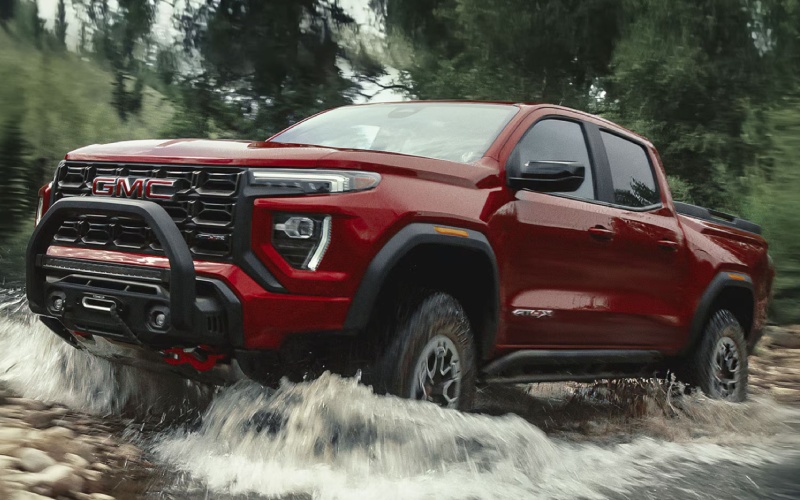
Lewiston GMC – Underbody Camera Confidence for Weekend Trails around Pullman, WA — How the 2026 GMC Canyon Helps You See More
Sometimes the hardest part of a trail isn’t the climb itself—it’s what you can’t see below the bumper. The 2026 GMC Canyon tackles that blind-spot problem with segment-first underbody camera views available on select models, pairing them with HD Surround Vision so you can read terrain with far more precision. Whether you’re easing into a washed-out gully on a forest road or threading a line through basalt and brush near the river, this system helps you navigate, protect components, and stay on pace. The result is tangible confidence: fewer stops to get a visual, more decisive tire placement, and a smoother overall flow on the trail.
The camera suite is part of a larger tech story that makes Canyon feel purpose-built for drivers who juggle weekday errands with weekend exploration. The 11.3-inch GMC Infotainment System with Googlebuilt inn brings your maps and trail notes to the big screen, while the Off-Road Performance Display surfaces data you actually use in the dirt—3D pitch and roll, tire pressures, steering angle, and more. Add the ProGrade® Trailering System and Hitch View for your tow days, and you’ve got a midsize truck designed to make complex tasks feel simple. Pair it with the TurboMax® engine’s 310 horsepower and 430 lb.-ft. of torque and you’ll have the muscle to climb, descend, and tow confidently on the rolling routes between home and the hills. If you’re mapping out your next adventure near Pullman, the Canyon’s camera and display tech deliver a clear view when the terrain tries to hide the details.
- Underbody views with wash systems: Front and rear camera perspectives underneath the vehicle help you spot ledges, ruts, and obstacles—then clear the lenses for a crisp picture.
- HD Surround Vision: A stitched, top-down perspective makes tight switchbacks, dense trailheads, and campground parking easier.
- Hitch View alignment: Lines and zoom functionality simplify connecting your trailer solo without repeated jump-outs.
- Driver-focused screens: The 11.3-inch infotainment display and available 6.3-inch multicolor Head-Up Display keep essential info front and center.
- Off-Road Performance Display: See pitch, roll, and other stats to dial in a clean line and track your progress.
Frequently Asked Questions:
Are the underbody cameras standard?
The segment-first underbody cameras are available on select trims and standard on AT4X, complementing the broader suite of available camera views.
Will the cameras help on rocky or rutted trails?
Yes. Front and rear underbody perspectives help you position tires precisely, reduce belly scrapes, and navigate uneven surfaces more confidently.
Do I still need a spotter?
On more technical trails, a spotter can still be valuable. The cameras improve visibility dramatically, but human guidance remains helpful in extreme scenarios.
Can I use the cameras for towing?
Absolutely. Hitch View and other camera angles work with the ProGrade® Trailering System to assist with alignment and visibility while connecting and maneuvering trailers.
Is there a benefit on paved roads?
HD Surround Vision is ideal for city parking, tight driveways, and navigating obstacles—conveniences that make daily driving easier.
The 2026 GMC Canyon’s camera tech doesn’t just add capability—it adds consistency. Your lines improve, your pace steadies, and you make smarter decisions when traction is limited. It’s one of those features you’ll use at the trailhead, the boat ramp, and the grocery store alike, proving its worth every week. When you’re ready to take a closer look, Lewiston Chevrolet GMC can walk you through trims, camera packages, and how the Off-Road Performance Display ties everything together into a driver-first interface. We’re proudly serving Moscow, ID, Pullman, WA, and Walla Walla, WA, and we can help tailor a Canyon configuration that fits the way you travel—on road and off.
Request more 2026 GMC Canyon information
Super Cruise® on the 2026 Chevrolet Silverado 1500 — Hands-Free Highway Help for Moscow, ID, Drivers
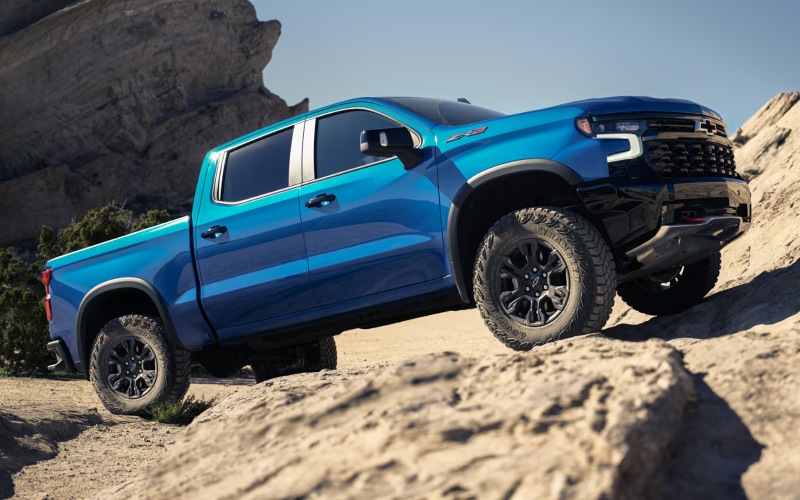
Lewiston Chevrolet – Super Cruise® on the 2026 Chevrolet Silverado 1500 — Hands-Free Highway Help for Moscow, ID, Drivers
Hands-free confidence matters on long highways and across rolling farm-to-market routes, and available Super Cruise® on the 2026 Chevrolet Silverado 1500 brings just that to drivers who frequent Moscow and the surrounding Palouse. When equipped and activated on compatible roads, Super Cruise connected by OnStar® helps manage speed and steering to keep you centered in your lane, even while towing. That means more relaxed miles on US-95 or State Route 270, plus fresh focus when you arrive at the job site or trailhead. Silverado’s available towing integration enhances the experience further, pairing Super Cruise with up to 14 available camera views and a Trailering App that adds pre-departure checklists, trailer profiles, and tire pressure monitoring for compatible setups.
What sets this system apart is how naturally it fits into the Silverado formula. The cabin’s 13.4-inch diagonal touch-screen and 12.3-inch diagonal Driver Information Center make it simple to see when Super Cruise is available, then confirm system status and lane guidance while you keep your eyes on the road. A driver attention system provides visual prompts to ensure you are ready to retake control at any time, and Google built-in adds intuitive Maps and Assistant controls so navigation, calls, and climate adjustments are just a voice request away. For weekend towing toward Dworshak Reservoir or road trips between university towns, Super Cruise works with the Silverado’s Durabed and available Multi-Flex Tailgate to move gear, boats, and campers with less friction throughout your day.
It starts with the right trim and configuration. Super Cruise is available on High Country, and many shoppers pair it with the strong, efficient Duramax® 3.0L Turbo-Diesel or the commanding 6.2L EcoTec3 V8 for confident passing and grade-climbing. Regardless of powertrain, Silverado’s trailering tools—like Trailer Side Blind Zone Alert and the In-Vehicle Trailering App—combine with Super Cruise to put world-class visibility and smart assistance at your fingertips. And when it is time to venture off pavement, trims like ZR2 bring Multimatic DSSV™ dampers, a factory 2-inch lift, and front and rear e-lockers—tech-forward capability that complements hands-free ease on the way to the trail.
Choosing how to bring this technology home—leasing for shorter terms that keep you in the latest systems, or financing for ownership freedom and no mileage limits—depends on how you drive. Our team at Lewiston Chevrolet GMC can map your mileage patterns, towing plans, and tech priorities into a plan that makes sense today and tomorrow. We are serving Moscow, ID, Pullman, WA, and Walla Walla, WA, with side-by-side comparisons, trim guidance, and test drives that show exactly how Super Cruise integrates with your life.
Frequently Asked Questions:
Does Super Cruise® work while towing?
Yes, when properly equipped and on compatible roads, Silverado offers Super Cruise with trailering so you can enjoy hands-free assistance while towing.
Which trim offers Super Cruise?
Super Cruise is available on High Country. We will help you configure powertrain, trailering packages, and driver assistance features to match your needs.
How do I know when I can activate Super Cruise?
A light bar and cluster prompts indicate availability on compatible, mapped roads. The system also confirms engagement, so you know when hands-free assistance is active.
Can I use Google built-in with Super Cruise?
Yes. Google built-in works alongside Super Cruise, so Google Maps and Assistant remain available for navigation and voice commands while you travel.
Is there special maintenance for Super Cruise?
No special maintenance routine is required beyond keeping sensors unobstructed and software up to date. We can assist with software updates and health checks during service.
Request more 2026 Chevrolet Silverado 1500 information
2026 GMC Sierra 1500 vs 2026 Ram 1500 – Which Truck Has Smarter Hands-Free Tech for Pullman, WA?

Lewiston GMC – 2026 GMC Sierra 1500 vs 2026 Ram 1500 – Which Truck Has Smarter Hands-Free Tech for Pullman, WA?
Hands-free highway capability is one of the most common questions shoppers ask when comparing the latest full-size pickups, and for good reason—driver-assistance that meaningfully reduces fatigue becomes a daily advantage on long commutes, towing stints, and weekend trips. In this comparison, we focus on how the 2026 GMC Sierra 1500’s available Super Cruise® hands-free driver assistance technology stacks up against the 2026 Ram 1500’s driver-assistance features on compatible divided highways.
Super Cruise® in the Sierra 1500 integrates with the truck’s camera, GPS, and map data to enable hands-free steering on compatible roads while maintaining lane position and following distance. On properly equipped trims, it can assist with automatic lane changes and can be used while towing, adding another layer of calm to highway hauling. The system works in tandem with an available 15-inch multicolor Head-Up Display that projects key prompts onto the windshield, plus the 13.4-inch Premium GMC Infotainment System with Google built-in compatibility for intuitive maps, voice assistance, and traffic-aware routing. Ram offers a strong suite of driver-assistance tools, but the combination of Super Cruise®, the Sierra’s integrated trailering views and In-Vehicle Trailering App, and the available Duramax 3.0L Turbo-Diesel’s confident towing manners creates a uniquely cohesive experience for extended highway miles.
For shoppers who want hands-free capability to enhance both weekday driving and weekend towing, here are the core advantages many owners value in the Sierra:
- Hands-free confidence: Super Cruise® assists with steering and following distance on compatible highways to help reduce driver fatigue.
- Trailer-friendly functionality: Super Cruise® is available to function while towing on properly equipped trims, complementing the ProGrade® Trailering System.
- Integrated visibility: Available camera views and the In-Vehicle Trailering App streamline pre-departure checklists and on-road awareness.
- Heads-up awareness: The available 15-inch multicolor Head-Up Display projects navigation and safety prompts to help keep your eyes forward.
- Powertrain poise: The available Duramax 3.0L Turbo-Diesel and best-in-class standard torque from the TurboMax™ engine support calm, predictable passing and merging.
Beyond the hands-free conversation, the Sierra 1500 elevates everyday use with innovations designed around real tasks. The CarbonPro® composite bed resists dents and corrosion and offers best-in-class short bed cargo volume on select trims, while the six-function MultiPro™ Tailgate turns the tailgate into a workbench, a step, and a cargo stop. Paired with available MultiPro Tailgate Audio by KICKER, it doubles as weekend entertainment at the campsite. Ram counters with upscale cabin touches and robust gas-engine power, but it does not match this combination of hands-free highway capability, composite bed durability, and multi-function tailgate versatility in a single package.
Frequently Asked Questions:
Can Super Cruise® be used while towing on the Sierra 1500?
Yes. On properly equipped 2026 GMC Sierra 1500 trims, Super Cruise® is available to operate while towing on compatible roads, adding another layer of highway confidence during long hauls.
Does the Sierra 1500 require special maps or subscriptions for hands-free driving?
Super Cruise® uses pre-mapped compatible roads and vehicle sensors. Eligible Sierra 1500 trims include a Super Cruise plan for a set period from new; ongoing services require an active plan to maintain features.
How does the Sierra help with hitching and trailer checks?
The available ProGrade® Trailering System and In-Vehicle Trailering App provide customizable profiles, pre-departure checklists, and camera views designed to simplify hitch alignment and safety checks.
When you are weighing the value of hands-free assistance, look at how each system supports your full ownership experience—especially towing and long-mile comfort. The Sierra’s integration of Super Cruise®, the 13.4-inch infotainment with Google built-in, and the available 15-inch multicolor Head-Up Display gives you a polished, long-haul toolkit that fits daily demands and road-trip ambitions. If you are comparing both trucks across multiple uses—commuting, towing, weekend projects—the Sierra’s hands-free and trailering combination proves compelling mile after mile.
Visit our team at Lewiston Chevrolet GMC to see how Super Cruise® and the Sierra’s trailering tools come together on the specific configuration that fits your plans. We are proudly serving Moscow, ID, Pullman, WA, and Walla Walla, WA, with product specialists who can walk you through hardware, software, and towing setups matched to your routes and gear.
Request more 2026 GMC Sierra 1500 information
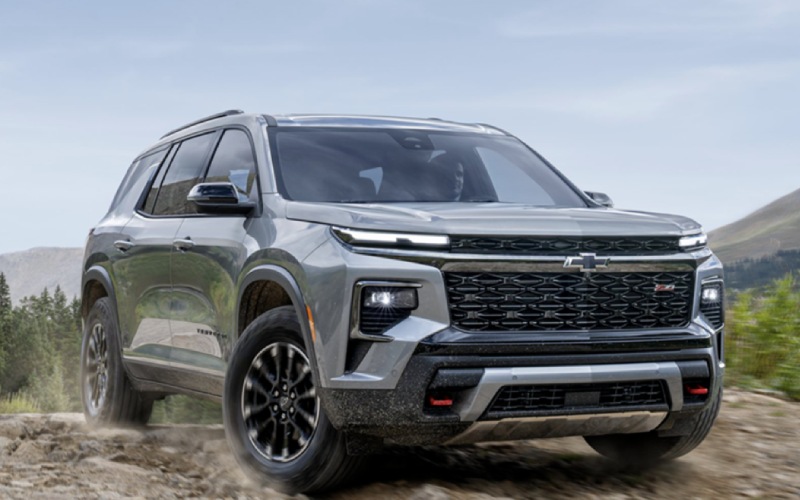
Lewiston Chevrolet – Which Three-Row SUV Handles Winter Roads With More Confidence — 2026 Chevrolet Traverse or 2026 Honda Pilot — around Walla Walla, WA?
Shoppers in the Inland Northwest often ask a practical question: which three-row SUV feels more composed on icy mornings and slushy weekends, the 2026 Chevrolet Traverse or the 2026 Honda Pilot? Both offer available all-wheel drive, useful drive modes, and strong towing capability. The key differences come from how each SUV coordinates traction, visibility, and driver assistance to reduce workload when conditions change.
Traverse pairs an available Advanced Twin-Clutch AWD System on Z71 with Terrain Mode and Hill Descent Control to help the vehicle settle into traction rather than scramble for it. The system can direct torque to the wheel that can use it best, while frequency-based suspension dampers on Z71 calm high-frequency chatter on frozen ruts. Inside, a standard 17.7-inch color touch-screen and 11-inch Driver Information Center keep vital data front and center, and available HD Surround Vision aids slow-speed maneuvering when snowbanks steal your sightlines. Add available Super Cruise® for compatible roads, hands-free assistance on long winter drives, and you get a package that prioritizes stability and confidence.
- AWD hardware: Traverse Z71 adds twin-clutch torque control and all-terrain tires; Pilot offers i-VTM4® AWD with multiple drive modes.
- Hands-free help: Traverse offers Super Cruise® for compatible highways; Pilot focuses on Honda Sensing® support that still requires hands-on driving.
- Visibility tools: Both offer a surround-view camera; Traverse makes HD Surround Vision available for crisp low-speed views.
- Cabin tech: Traverse includes a standard 17.7-inch touch-screen; Pilot presents a 12.3-inch display on many trims.
- Cargo flexibility: Traverse offers available power-folding second- and third-row seating for fast changeovers after ski days.
For families who spend weekends chasing powder at Bluewood or shuttling kids to early practices, small differences add up. Traverse’s available twin-clutch control helps the rear axle stay planted when one side is slick, and Hill Descent Control provides that metered, low-speed confidence on steep neighborhood streets. In the cabin, the large, standard display and Google built-in minimize distraction by streamlining route changes and voice commands when the weather turns. Pilot’s multiple drive modes and i-VTM4® system perform well on plowed roads and light trails, yet Traverse’s hardware and hands-free options create more bandwidth for the driver on long-distance winter routes.
Lewiston Chevrolet GMC, serving Moscow, ID, Pullman, WA, and Walla Walla, WA, is here to help you compare both SUVs across real winter scenarios. Bring your questions about how Super Cruise® works on your commute, how Z71’s suspension differs from other trims, or which camera views help most in crowded lots after a snowfall. We will tailor a test drive that covers uphill starts, tight parking, and highway stretches to make sure you get answers that matter all season long.
Frequently Asked Questions:
Does Super Cruise® work in winter?
Super Cruise® can operate on compatible, mapped roads when the system determines conditions are appropriate. Snow and ice can affect lane line visibility and sensor performance, so the system may prompt hands-on control more frequently during severe winter weather.
Is twin-clutch AWD better than a traditional system on slick roads?
On low-traction surfaces, a twin-clutch rear axle can direct torque to the wheel with more grip, which helps the vehicle track straighter when one side is slick. It is a meaningful advantage when patchy ice or uneven snowpack reduces uniform traction.
Can the surround-view camera help when snow piles up?
Yes. A surround-view camera can provide a top-down perspective that helps you judge proximity to snowbanks and curbs. As always, keep lenses clear of slush for the sharpest image.
How quickly can I reconfigure seats after a ski trip?
Traverse offers available One-Touch Fold second-row seats and power-folding second- and third-row seating that make it simple to switch from passengers to cargo when gear suddenly multiplies at the trailhead.
Request more 2026 Chevrolet Traverse information
What to Know About the 2026 GMC Sierra 2500 HD
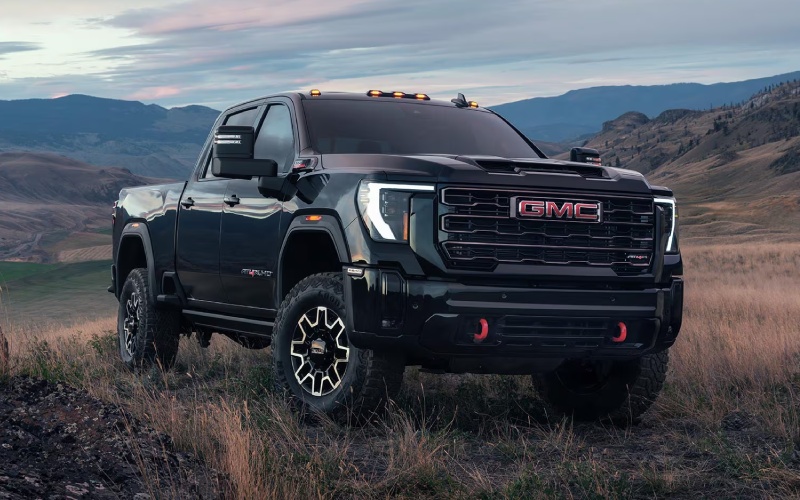
Lewiston GMC – What to Know About the 2026 GMC Sierra 2500 HD
The 2026 GMC Sierra 2500 HD arrives ready for serious work and confident weekend duty, blending advanced trailering technology with premium craftsmanship. From jobsite hauling to fifth-wheel towing, this heavy-duty truck focuses on capability you can feel and technology you can use every day. It is designed to deliver dependable performance, intuitive controls, and the kind of comfort that turns long miles into easy miles.
At Lewiston Chevrolet GMC, we know what Northwest truck owners expect from a heavy-duty pickup—true strength, refined ride quality, and an interior that supports long days—and we are proud to help match the right configuration to each driver’s needs, serving Pullman, Moscow, and Walla Walla. Whether the plan is outfitting a work fleet or building a dream tow rig, our team is ready with guidance, transparent information, and a hands-on walkaround.
Powertrain choices center on a robust 6.6L gas V8 and an available Duramax 6.6L turbo-diesel V8, both paired with a confident 10-speed automatic. The gas engine delivers quick throttle response for mixed driving and on-the-spot payload tasks. The diesel adds immense low-end torque for heavy trailers, plus features that support demanding grades and heat management. When properly equipped, Sierra 2500 HD offers formidable towing and payload capability, backed by cooling, braking, and driveline hardware built for sustained load control.
Trailering confidence comes from thoughtful tech that simplifies hitching, monitoring, and maneuvering. Available camera views can provide a near 360-degree perspective, including Transparent Trailer View for compatible setups. The ProGrade Trailering System with In-Vehicle Trailering tools supports custom profiles, trailer health checks, and maintenance reminders. Features like an integrated trailer brake controller, Tow/Haul modes, and available adaptive cruise control with trailering help keep speed, spacing, and stability in check across highway and mountain driving alike.
Inside, the Sierra 2500 HD balances durable materials with premium touches. Available 13.4-inch center display and 12.3-inch digital driver display put navigation, camera feeds, and trailering data right where it is needed. An available Head-Up Display can project key info onto the windshield to keep eyes forward. Trims span from hardworking to ultra-luxurious—SLT offers heated and ventilated seating with smart storage, AT4 and AT4X add off-road chassis enhancements without sacrificing cabin comfort, and Denali and Denali Ultimate elevate the experience with upscale materials, premium audio, and distinctive design details.
Dialing in the right trim and package set is straightforward. Those seeking value and ready-for-work simplicity will appreciate the foundational equipment on lower trims. Drivers who want more screen real estate, larger wheels, or advanced assistance tech can target SLE and SLT. For rugged two-track travel, AT4 and AT4X introduce chassis upgrades, terrain tires, and specialized off-road calibrations. For elevated amenities and standout styling, Denali and Denali Ultimate bring signature finishes and top-tier comfort.
Utility beyond towing remains a Sierra hallmark. The available MultiPro tailgate supports multiple configurations to ease loading, create a step, or stabilize long cargo. Cargo bed volume is generous, with thoughtful tie-downs and available lighting to keep work moving at dawn and dusk. Upfit-friendly architecture supports toolboxes, auxiliary cameras, and fifth-wheel or gooseneck hardware. With regular maintenance and genuine parts, the platform is engineered for thousands of hard-working hours.
- Engine choices: 6.6L gas V8 or available 6.6L Duramax turbo-diesel V8, each tuned for heavy-duty demands.
- Transmission: Confident 10-speed automatic geared for towing, hill work, and smooth highway cruising.
- Trailering tech: Available multi-view cameras, Transparent Trailer View, and ProGrade Trailering tools.
- Cabin technology: Available 13.4-inch center display, 12.3-inch driver display, and Head-Up Display.
- Work-ready bed: Available MultiPro tailgate configurations, helpful tie-downs, and smart cargo solutions.
- Define your job or adventure: Estimate trailer weights, payload needs, and typical terrain.
- Pick the right engine: Choose gas for balanced use or diesel for heavy, frequent towing.
- Select your trim: Align comfort, off-road hardware, and technology with daily priorities.
- Plan trailering tools: Add camera views, integrated brake control, and trailering profiles.
- Confirm bed and cab: Match crew capacity and cargo length to tools, gear, and hitch type.
- Schedule a drive: Experience ride quality, noise levels, and visibility with a loaded trailer if possible.
Frequently Asked Questions:
What is the towing capacity of the 2026 Sierra 2500 HD?
Towing capacity varies by engine, drivetrain, cab, bed, axle ratio, and equipment. Diesel configurations generally offer the highest limits. For precise numbers that match a specific build, consult our team with the VIN or desired specs.
Should I choose the gas V8 or the Duramax diesel?
Pick the gas V8 for mixed use, lighter trailers, and simpler ownership routines. Choose the diesel for frequent heavy towing, mountain travel, and maximum low-end torque. We can review trailer weights, routes, and total cost of ownership to guide the decision.
Which trims fit off-road use and which focus on luxury?
AT4 and AT4X emphasize off-road capability with suspension, tire, and skid plate upgrades. Denali and Denali Ultimate highlight premium materials, distinctive styling, and top-tier comfort features. SLT offers an excellent balance of amenities and value.
When the goal is a heavy-duty truck that tows with authority, rides with composure, and treats every mile like first class, the 2026 GMC Sierra 2500 HD deserves a close look. Our showroom team can compare trims side by side, arrange a test drive, evaluate a trade, and help configure the ideal work or recreational setup. Reach out to explore inventory, tailor a build, or get a head start on accessories and upfits that fit your plans.
Request more 2026 GMC Sierra 2500 HD information
Connect with us


- Chevrolet
- Chevrolet Colorado
- Chevrolet Dealer
- Chevrolet Equinox
- Chevrolet GMC Dealer
- Chevrolet Service
- Chevrolet Silverado
- Chevrolet Silverado 1500
- Chevrolet Silverado 2500 HD
- Chevrolet Silverado 3500 HD
- Chevrolet Tahoe
- Chevrolet Trailblazer
- Chevrolet Traverse
- Chevrolet Trax
- GMC Acadia
- GMC Canyon
- GMC Dealer
- GMC Sierra 1500
- GMC Sierra 2500 HD
- GMC Sierra 3500 HD
- GMC Terrain
- Uncategorized
- Used Dealer